MajGen Lewie G. Merritt
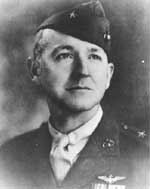
Lewie Merritt was born in Ridge Spring, South Carolina on June 26, 1897. In 1917, at the age of 19, Merritt graduated from the Citadel in Charleston and received a commission as 2nd Lieutenant in the Marine Corps. In 1918, Merritt served in France, fighting in the Battle of Belleau Wood. In 1923, he went to the naval air station in Pensacola, Florida to train as a pilot, becoming a naval aviator in January of 1924. Merritt graduated from the law school of George Washington University and joined the Navy Judge Advocate Generals Office in Washington, D.C.
Lewie Merritt was among the first Marine Corps aviators to qualify to fly from aircraft carriers, and participated in developing the practices of dive bombing and close-air support, which helped to integrate aviation into Marine Corps combat operations. In 1941, Merritt became commander in Fleet Marine Force Pacific where he established the 2d Marine Aircraft Wing in Hawaii developing defenses for Midway and Wake Islands, but served in the Pacific only a short time before being promoted to brigadier general in January of 1942, serving in the U.S. Embassy in London as air attache. During WWII, General Merritt was assigned to command the 4th Marine Aircraft Wing that provided air support to Marine amphibious operations in the Pacific and contributed to the successes at Kwajalein and Tarawa. General Merritt was the only Marine aviator to serve in both the Asian and European theaters of war in WWII.
MajGen Merritt retired from the Marine Corps in 1947, returning to South Carolina where he practiced law in Columbia, and served as director of the South Carolina Legislative Council, a post to which he was appointed by Governor Strom Thurmond. Lewie Merritt died on March 24, 1974 at Ft. Sam Houston, Texas and was buried at Arlington National Cemetery.
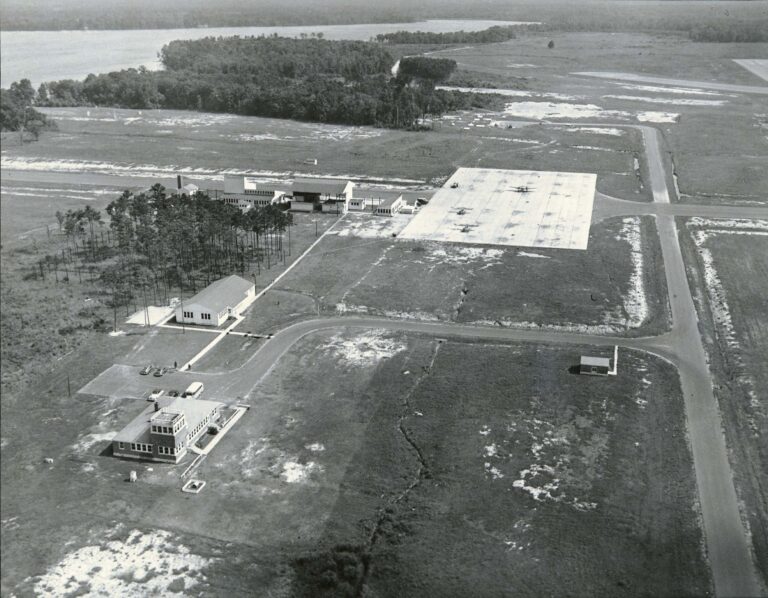
In 1975, the airfield at MCAS Beaufort was renamed as Merritt Field in honor of MajGen Lewie G. Merritt of Ridge Spring, South Carolina.